| Travel distance | 90 miles |
|---|---|
| Fastest time | 2h 12m |
| Daily trains | 18 |
| Ticket from |
Scenic Coastal Rail Travel from Venice to Ravenna
Traveling from the lagoons of the north to the mosaic capital of the Adriatic involves a transit across a travel distance of 90 miles. This route provides a unique perspective on the eastern coastline of Italy, often requiring a connection in Ferrara or utilizing direct regional services that complete the journey in a fastest time of 2h 12m. The experience is defined by a slower pace compared to the high speed spines, allowing passengers to appreciate the agricultural heartland of the Po Valley and the wetlands near the coast. While high speed Frecciarossa trains are the standard for major cities, this path is primarily the domain of the Regionale Veloce which offers a reliable and authentic Italian rail experience through the Veneto and Emilia-Romagna regions.
Frequency and Value for Adriatic Train Travel
With approximately 18 daily trains serving this corridor, visitors have multiple opportunities to plan their excursion throughout the day. The schedule is designed to accommodate both early morning commuters and leisure travelers, ensuring that the connection between these two historic ports remains accessible. To secure the best value for your trip, passengers can find a ticket from $22.00 when purchasing through official digital channels or at the station kiosks. These regional services offer fixed pricing structures that provide excellent flexibility, as tickets do not typically sell out and remain valid for travel across several hours. This makes the journey particularly appealing for those who prefer to travel without the constraints of a rigid reservation system.
Practical Advice for Northern Italy Rail Travelers
Successfully navigating this specific route requires a basic understanding of the regional ticketing system and the layout of the transfer hubs. First time travelers should be aware that regional tickets must be validated at the green machines located near the platforms before boarding if a physical ticket is used. For those using digital versions, the QR code must be ready for inspection by the conductor as the train moves south toward the coast. Luggage can be stored in the racks located above the seats or in designated areas near the carriage doors. As the route often involves a change of trains, it is helpful to monitor the digital displays at the transfer station to identify the correct platform for the final leg of the trip.
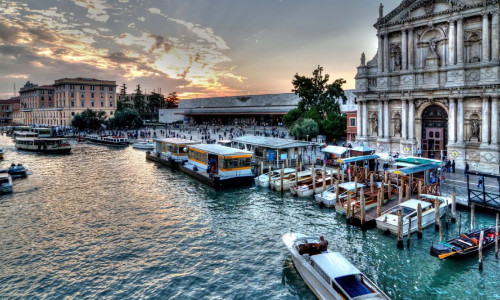
This iconic terminal is located directly on the Grand Canal and serves as the primary gateway for all rail traffic entering or leaving the lagoon city. The station features a functional modernist facade that hides a bustling interior with numerous shops, cafes, and luggage storage facilities. Travelers can access the vaporetto water bus lines immediately outside the main entrance to reach St Marks Square or other major islands within the lagoon.
The station is situated within easy walking distance of the historic center and the world famous mosaic sites that define this former Byzantine capital. Travelers will find a compact layout with essential services including a ticket office and a small newsstand for local information. Direct bus connections are available in the station square for those heading to the nearby seaside resorts or the Sant Apollinare in Classe basilica located just south of the city.